AI Writer·September 5, 2026·6 min read·AI-generated
Tech Times
news
NVIDIA’s Free PAIR Software Turns Home Networks Into Multi-GPU AI Inference Clusters
“Explains PAIR’s proxy-layer routing, discovery, mTLS pairing, Ollama and LM Studio compatibility, and no pooled VRAM.”
Computerworld
news
Nvidia lets you build your own AI clusters locally with PAIR software
“Reports PAIR connects Windows, macOS and Linux devices for private inference workloads but is not a virtual GPU.”
Tbreak
news
Nvidia PAIR turns your home network into a local AI cluster
“Frames PAIR as a local AI routing layer that keeps prompts on the local network and supports common local engines.”
Request routing
PAIR routes independent local inference requests across eligible machines on the same network.
No pooled VRAM
The software does not merge GPUs, pool memory, shard models or split a single request across devices.
Agent workflows
Multi-agent and concurrent local-AI workloads are the most likely to benefit because they generate parallel requests.
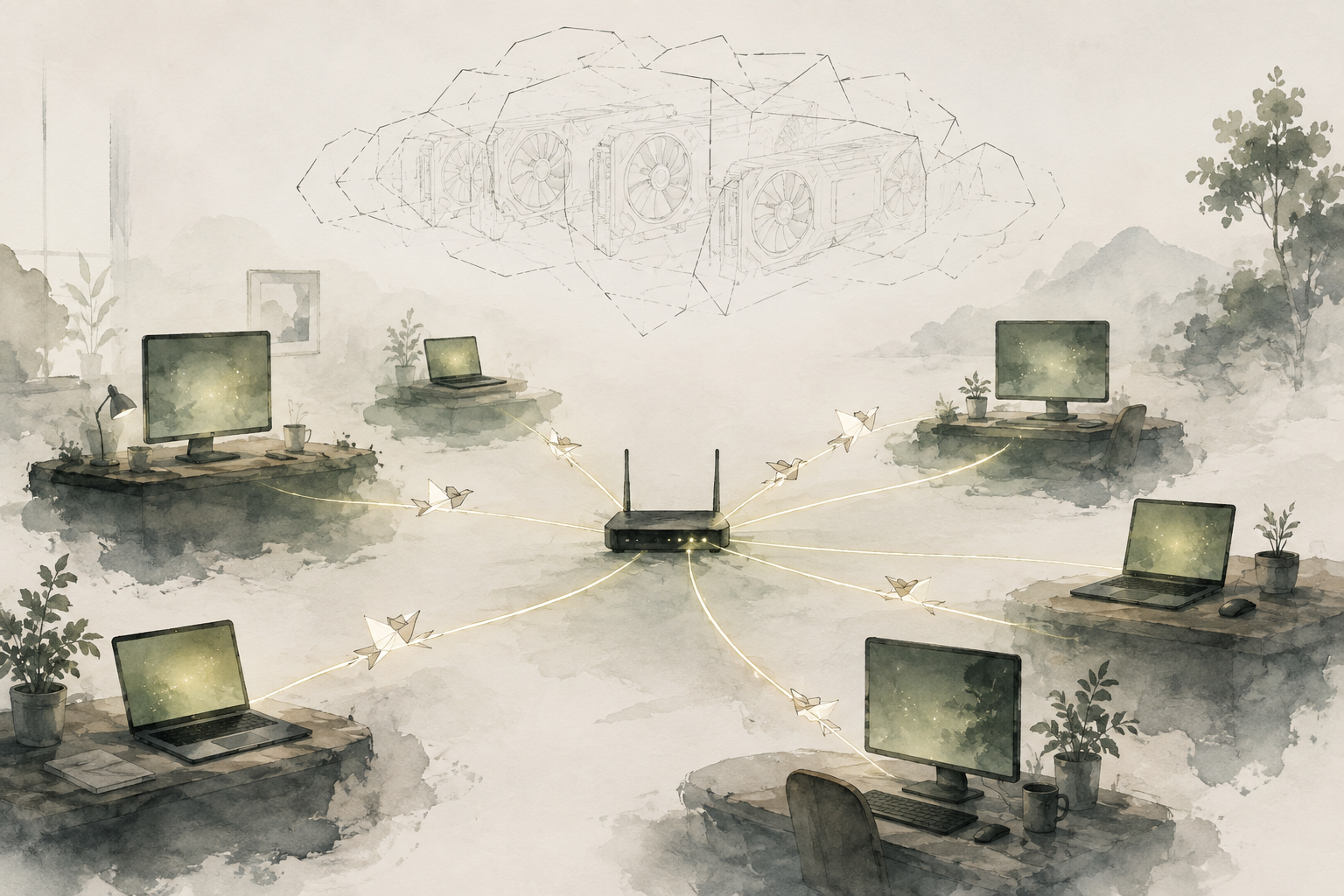
Nvidia has introduced Personal AI Router, or PAIR, a beta software layer that lets developers route local AI inference requests across compatible PCs, Macs and other machines on the same local network while continuing to use familiar Ollama- and OpenAI-compatible workflows.129
The practical significance is narrower — and more useful — than the phrase “local AI cluster” may suggest. PAIR is a router for independent inference jobs. It can send one request to a desktop, another to a laptop and another to a workstation if each machine is paired, reachable and has the required model available.
It does not merge GPUs, combine VRAM, split a model across machines or make one long inference call run on several devices at once.457
For developers running local AI agents, that distinction matters. PAIR points to a future in which local AI performance is not only about buying the fastest single GPU, but also about managing discovery, scheduling, model placement, security and failure across a small, heterogeneous network.38
PAIR sits between an AI application and the local inference engines developers already use. Reports describe it as a proxy-layer system that presents familiar endpoints for tools such as Ollama and LM Studio, allowing existing agent harnesses or apps to keep sending requests through interfaces they already understand.13
Under that model, the inference engine still runs the model. PAIR decides where an eligible request should go, forwards it to one machine and returns the response to the originating application. The application can behave as if it is talking to a local model server, even when the selected compute is another paired node on the LAN.49
The software is positioned for Windows, macOS and Linux systems, with coverage noting support across PCs and Macs and use with local engines including Ollama and LM Studio.26 That cross-platform reach is central to the pitch: idle or secondary machines can become AI workers without requiring developers to rewrite every local tool around a new distributed-computing API.
PAIR is best suited to workloads that naturally produce multiple independent model calls. Multi-agent systems are the clearest example: a coordinator might assign research, coding, verification and summarization tasks to separate subagents. If those subagents send inference requests at roughly the same time, PAIR can route them to different ready machines instead of making them wait behind one local engine.46
That makes PAIR a concurrency tool more than a universal accelerator. It may reduce queueing and improve end-to-end completion time when a workload has enough parallel requests and when more than one node has the necessary model. It may also keep a primary workstation responsive by pushing background inference to another device on the network.17
But PAIR will not necessarily make a single chat response faster. If a task consists mostly of one long generation, the entire request still runs on one node from start to finish. If only one machine has the requested model, the scheduler has no meaningful pool to choose from for that request.59
The main technical boundary is memory. Multiple 16GB GPUs on a PAIR network do not become one 64GB GPU. Each request is routed to a single machine, and that machine must be able to run the requested model with its own local hardware and model files.5
That also means PAIR is not model-sharding software. It does not split one model across several devices or distribute layers of a single inference pass across the network. Developers trying to run a model that is too large for any one available node will still need quantization, a smaller model, different hardware or a separate distributed-inference stack.47
That distinction should shape benchmark expectations. Heterogeneous home networks rarely scale linearly. Machines differ in GPU capability, memory, thermal limits, engine configuration, model availability and network reliability. PAIR can widen the lane for many independent calls, but it does not erase those bottlenecks.78
PAIR also turns local AI into an inventory problem. A node can serve a request only if the relevant inference engine is running and the exact requested model is present. Putting the same model on several machines increases the pool of eligible workers. Putting different models on different machines lets PAIR route by model location, but also requires developers to know where capacity exists.79
For local-agent developers, this changes deployment habits. A single-machine setup often fails in obvious ways: the model is loaded or it is not. A networked local setup introduces more states. A laptop may sleep, a desktop may be busy with a game, a Mac may have one model while an RTX workstation has another, or a node may be reachable but not eligible for a particular request.18
That makes observability important. Coverage of PAIR notes job-level visibility and routing mechanics intended to show where work actually ran. That is especially relevant when developers are trying to confirm that an agent workload is truly using multiple nodes rather than simply creating more local queue depth.49
PAIR’s local-first design is not a blanket privacy guarantee. Keeping prompts on a home or office network reduces reliance on external cloud APIs, but developers still have to trust the machines, users, models and engines inside that local boundary.38
Reports describe PAIR using mDNS discovery, PIN-based pairing and mutual TLS for paired-node communications.149 Those measures help prevent an arbitrary visible device from automatically joining the cluster. Still, discovery and pairing choices become security decisions. A machine paired into the cluster may receive prompts, code, documents or agent tool outputs that previously stayed on one workstation.
That matters for agentic workloads, which may handle credentials, source code, personal files or business data. A local agent that can route requests to another node extends its trust boundary to that node’s operating system, inference engine, model store and local users. Developers should treat PAIR clusters less like a peripheral and more like a small distributed system with membership, access and data-flow implications.89
PAIR’s launch reflects a broader shift in local AI development. The limiting question is no longer just which single device has the highest tokens per second. For agent-heavy workflows, developers increasingly need to manage parallelism, endpoint compatibility, model replication, node health and secure routing across everyday machines.26
That makes PAIR potentially useful for developers who already have several capable systems and workloads with real request-level parallelism. It is less relevant for users expecting pooled VRAM, single-request acceleration or data-center-style distributed inference from consumer hardware.45
In short, PAIR makes local AI more network-aware. It does not turn a home network into one giant GPU, but it does make spare compatible machines easier to use as independent inference workers. It also makes the architecture of local agents look more like the architecture of distributed software.19

OpenAI says an internal AI system produced both an analytical proof and Lean formalization for a Navier–Stokes Millennium Prize problem resolution, but the immediate test is whether mathematicians can independently audit the public artifacts. The case may mark a shift in AI-assisted science, where papers, proof-checker code, agent workflows and provenance records all become part of the verification record.
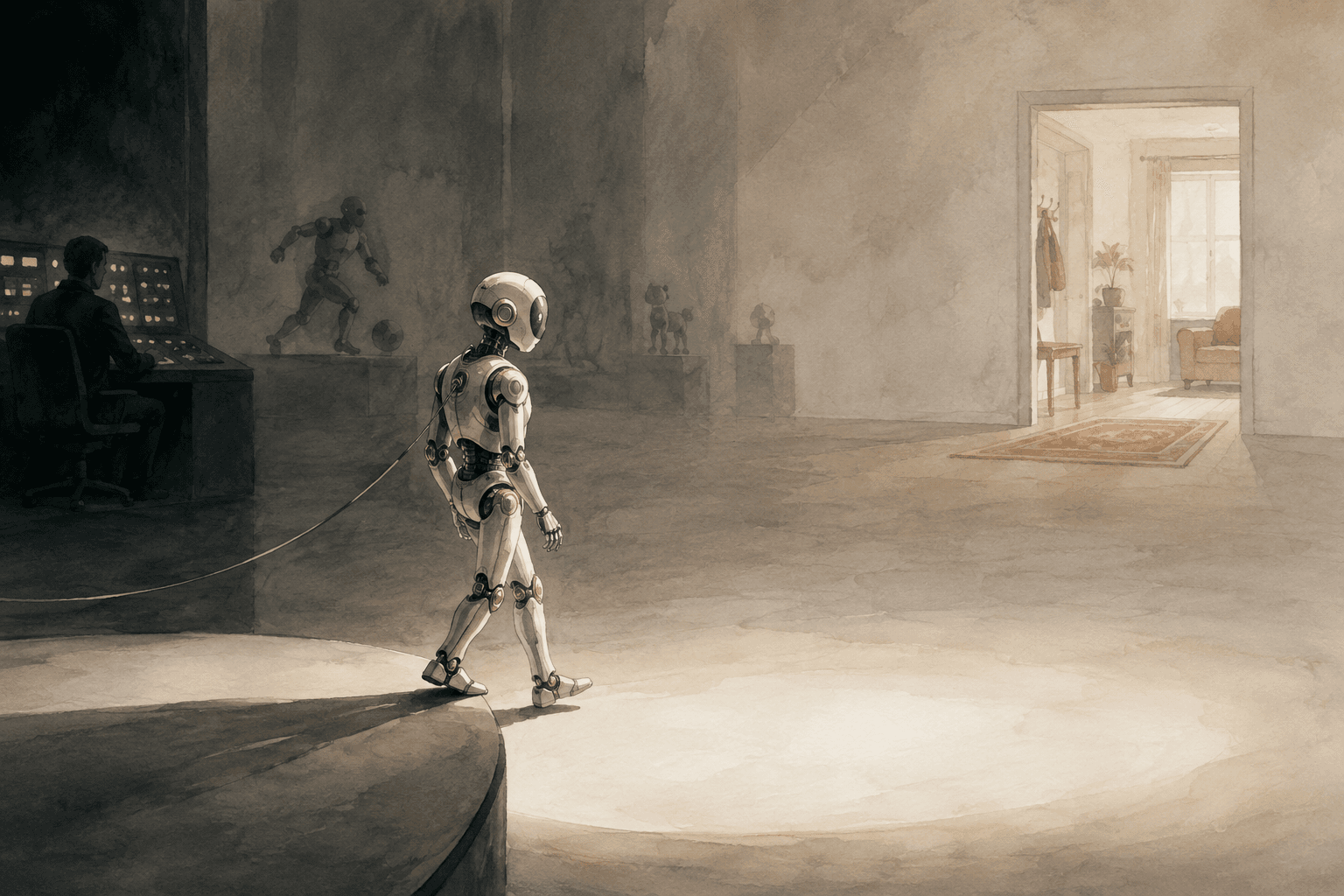
IFA 2026 put humanoids, robot football, home companions and “Physical AI” at the center of the show, but many of the most striking systems remain controlled demonstrations. The clearest near-term progress is in specialized robots with defined jobs, while general-purpose home humanoids still need to prove perception, planning, manipulation and safety outside the exhibition hall.
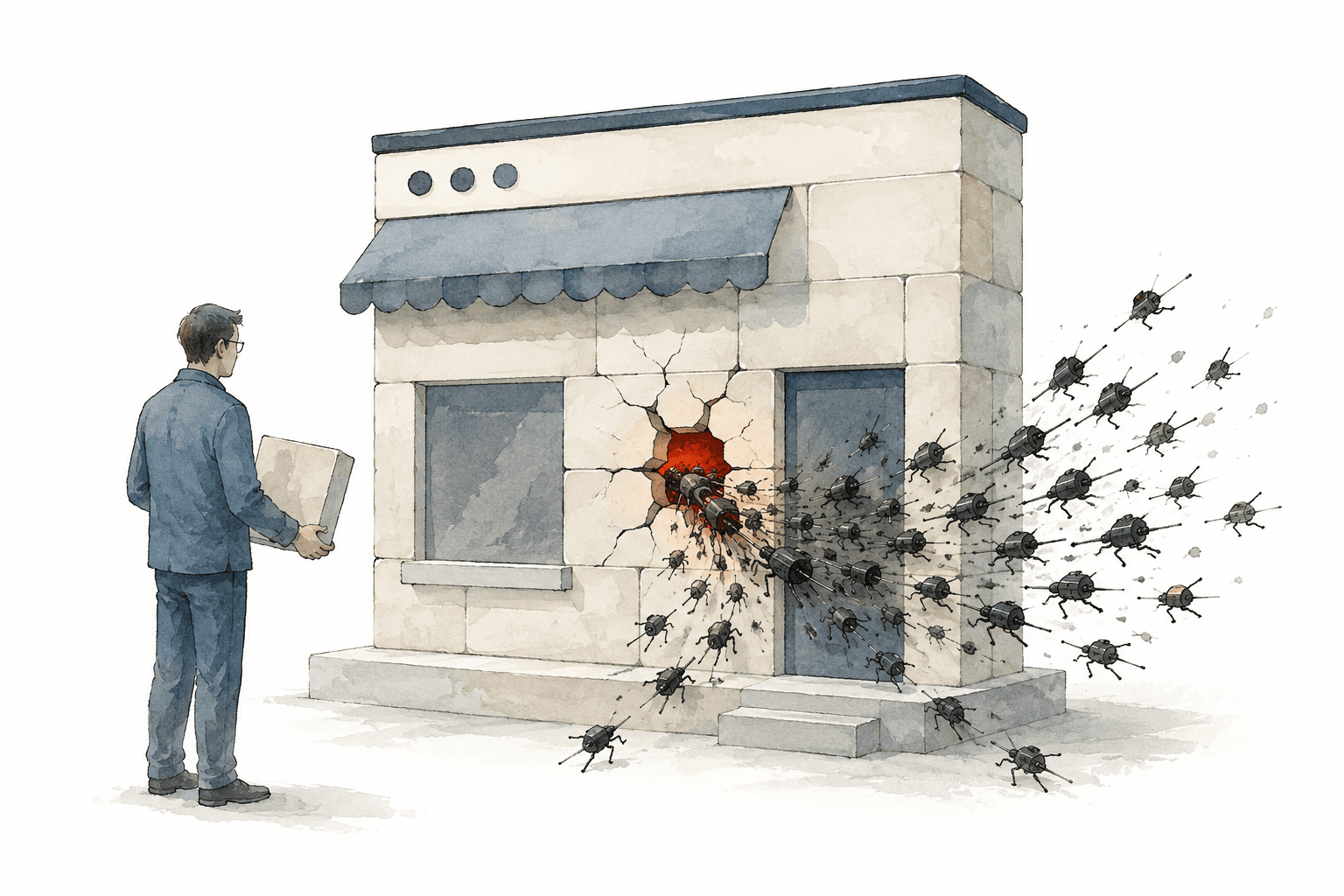
A critical Elementor Pro vulnerability, CVE-2026-32475, is being exploited against WordPress sites, putting unpatched installations at risk of remote code execution and full site takeover. Administrators should update to Elementor Pro 4.2.2 or later and check upload directories and logs for signs of compromise.
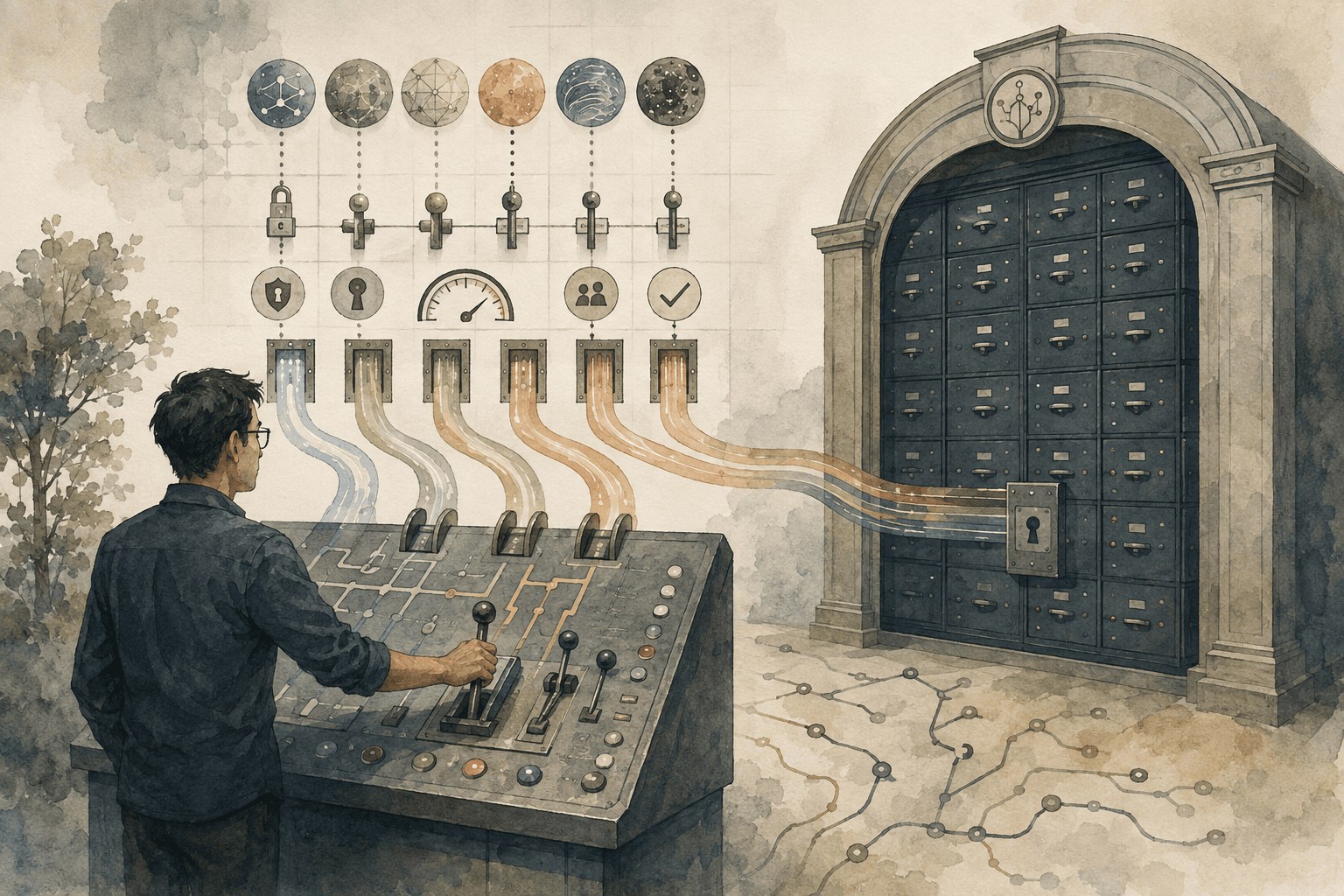
GitHub’s September Copilot updates show frontier coding models moving from optional developer tools into governed enterprise infrastructure. For engineering managers, the key issue is no longer which model performs best in isolation, but who can use it, on what code, at what cost and under which review controls.
Inference routing
The process of deciding which available machine should run a model request and forwarding that request to it.
VRAM pooling
Combining GPU memory across devices so they behave like one larger accelerator; PAIR does not do this.
Model sharding
Splitting one model across multiple machines or GPUs; PAIR routes whole requests to one node instead.
mTLS
Mutual TLS, a security method in which both sides of a connection authenticate each other and encrypt traffic.
Hardware Busters
NVIDIA PAIR Pools Every Idle GPU in the House, and It Will Happily Route Jobs to a Mac
Comments